£2,999.95£2,499.96 incl. VATexcl. VAT
A peat free, fertilised topsoil designed to improve plant establishment and performance. High organic content and a free draining structure support stronger roots and more reliable growth in beds and borders.
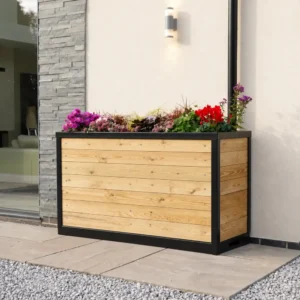
Creating meaningful biodiversity gains in built environments can be complex, especially when space, time and competing priorities are involved. BioCube simplifies that challenge by delivering a ready-made, ecology-led habitat system that works from day one.
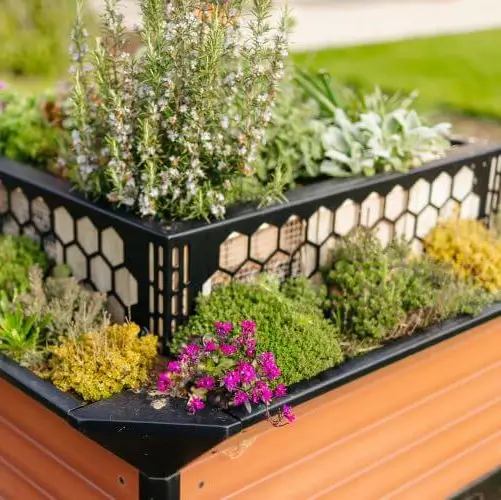
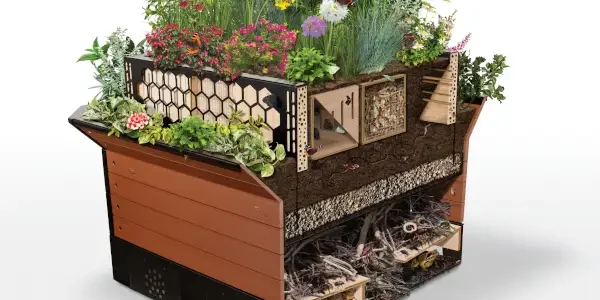
Developed by ecologists, the BioCube brings together multiple habitat types into one integrated structure. Its layered design connects wet and dry environments, nesting areas and sheltered refuges, supporting a diverse range of species within a single footprint. This includes everything from pollinators such as bees and hoverflies through to larger wildlife like hedgehogs.
Each unit contains 18 individual habitats, carefully configured to create a mutually supportive ecosystem. By positioning habitats to provide protection from predators, noise and temperature extremes, the system increases survival rates and encourages long-term occupation.
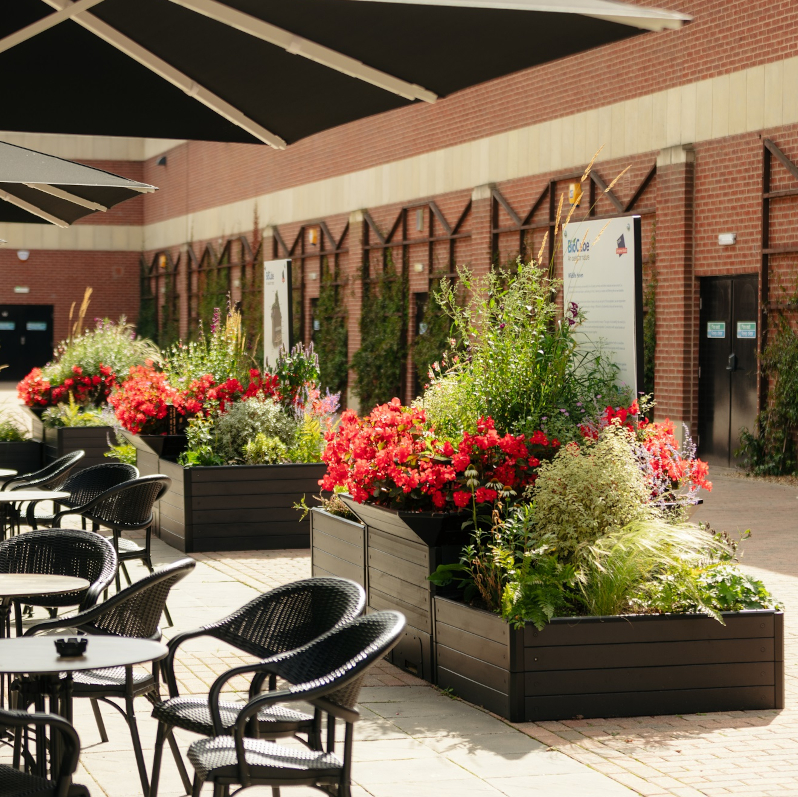
The BioCube is designed to deliver flexibility as well as performance. Units can be installed individually or combined to create larger habitat networks, making it suitable for residential developments, community projects and commercial landscapes where measurable biodiversity outcomes are required.
Sustainability runs throughout the product. Each BioCube is manufactured from recycled or recyclable materials, helping reduce environmental impact while enhancing ecological value on site.
Whether you are looking to support planning requirements, improve biodiversity net gain or create engaging green spaces for communities, BioCube provides a practical, visible and scalable solution.
Key features
A BioCube is a modular habitat system designed by ecologists to increase biodiversity by providing multiple interconnected habitats for species such as bees, butterflies, hedgehogs and other wildlife.
The BioCube combines wet and dry habitats, nesting spaces and sheltered refuges in one structure, creating a balanced ecosystem that supports a wide range of species and encourages long-term habitation.
It supports a broad mix of wildlife including pollinators like bees and hoverflies, butterflies, and small mammals such as hedgehogs, helping to restore biodiversity in built environments.
BioCubes are suitable for residential gardens, commercial landscapes and community spaces. They can be installed individually or combined to create larger habitat networks depending on site requirements.
Each BioCube contains 18 integrated habitats, including bee hotels, butterfly houses and a hedgehog shelter, all designed to work together within one system.
Yes, BioCube is made from recycled or recyclable materials and is designed to deliver measurable biodiversity gains, supporting more sustainable landscape design.
Yes, BioCubes are modular and can be joined together to create larger interconnected habitat systems, making them suitable for developments where greater biodiversity impact is required.

We use cookies to improve your experience on our site. By using our site, you consent to cookies.
Manage your cookie preferences below:
Essential cookies enable basic functions and are necessary for the proper function of the website.
These cookies are needed for adding comments on this website.
You can find more information in our Cookie Policy and .